Redbridge Recycling Rules and Flower Waste in Ilford
Posted on 05/11/2026
If you have ever stared at a pile of wilted roses, cellophane, ribbon, soggy stems, and a half-finished bouquet and wondered, "Right then, what actually goes where?" you are not alone. Redbridge Recycling Rules and Flower Waste in Ilford can feel straightforward until you are holding mixed floral waste after an event, a funeral tribute, or a busy weekend of deliveries. Then it gets messy, literally.
This guide breaks the subject down in plain English. We will look at how flower waste is usually handled in Ilford, why local recycling habits matter, what to do with stems, wrapping, boxes, and card inserts, and how to avoid the common mistakes that lead to contamination. You will also find practical steps, a comparison table, expert tips, and a checklist you can actually use. No fluff. Just the stuff that helps.
- Why Redbridge Recycling Rules and Flower Waste in Ilford Matters
- How Redbridge Recycling Rules and Flower Waste in Ilford Works
- Key Benefits and Practical Advantages
- Who This Is For and When It Makes Sense
- Step-by-Step Guidance
- Expert Tips for Better Results
- Common Mistakes to Avoid
- Tools, Resources and Recommendations
- Law, Compliance, Standards, or Best Practice
- Options, Methods, or Comparison Table
- Case Study or Real-World Example
- Practical Checklist
- Conclusion
- Frequently Asked Questions
Why Redbridge Recycling Rules and Flower Waste in Ilford Matters
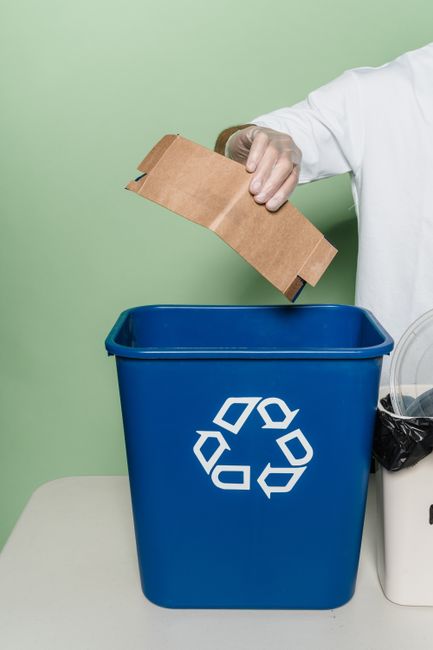
Flower waste looks harmless, but once it is mixed with plastic sleeves, wet floral foam, tape, food from event tables, and packaging, it becomes much harder to process. That is the main reason local sorting matters. A single poorly prepared bag can spoil a much larger load, and that is true whether you are a home customer clearing a vase or a florist dealing with a delivery van full of stems and packaging.
In Ilford, the practical challenge is not just "is it waste?" It is "what kind of waste is it?" Fresh flowers are organic, but not every part of a bouquet is recyclable in the same way. Some items can go into garden or food waste streams where available, while others should go into general waste. Cardboard can often be recycled if it is clean and dry. Plastic wrap may be recyclable only if your local system accepts it. The annoying bit? Many bouquets are a mix of all of these. Lovely to look at, slightly chaotic to dispose of.
This matters because good sorting supports cleaner collections, reduces rejected loads, and keeps your waste routine simple. It also helps businesses stay tidy and presentable. For florists, wedding venues, churches, funeral directors, offices, and households, flower waste tends to arrive in bursts. One day it is a birthday bouquet from birthday flowers in Ilford, the next it is tribute flowers, an event display, or a weekly stock rotation from a local shop. The waste footprint changes with the occasion, but the sorting logic stays the same.
There is also a less glamorous side to it: smell and mess. Leftover stems in a warm kitchen bin can turn quickly. Water, petals, and leaves make bins heavier, leakier, and harder to manage. If you have ever opened a bin on a Monday morning and thought, "Well, that is not ideal," you know exactly what I mean.
Expert summary: Flower waste is usually simple only when it is separated early. The cleaner you keep the material, the easier it is to recycle, compost, or dispose of without creating problems downstream.
How Redbridge Recycling Rules and Flower Waste in Ilford Works
The simplest way to think about flower waste is to split it into parts. One bouquet can contain recyclable, compostable, and non-recyclable components all at once. That is normal. The goal is not perfection every time. It is sensible separation.
Typical flower waste categories
- Organic flower material: stems, petals, leaves, and blooms.
- Reusable or recyclable packaging: cardboard boxes, paper sleeves, gift tags, and some paper-based wraps.
- Non-recyclable packaging: certain plastics, ribbon, glitter finishes, adhesive tape, foam, and mixed-material wrapping.
- Mixed waste: arrangements that are too tangled or contaminated to separate cleanly after use.
Fresh flower material may be accepted in green or food waste systems where those services exist, but it should be kept free of plastic, wire, tape, and other contaminants. That is the part people often miss. The stems themselves are not the problem; the extras are.
For home use, the process usually starts at the sink or worktop. Remove any card, wrap, ribbon, and water source first. Trim away anything obvious that does not belong with organic waste. If a bouquet includes floral foam, check carefully, because that material is usually not something you want drifting into a recycling stream. It breaks apart easily and creates a nuisance.
For businesses, especially florists and event suppliers, the process is more structured. Deliveries often arrive in sleeves and boxes, arrangements are assembled quickly, and waste builds up in layers throughout the day. In that setting, it helps to have a separate place for clean cardboard, a bin for organic waste, and a clear rule for mixed non-recyclables. A good system prevents the back room from becoming a small jungle. And yes, a slightly fragrant one.
If you are comparing product and service options for delivery or sourcing, local flower orders from flower delivery in Ilford or flower shops in Ilford are often better handled when packaging is minimal and easy to sort. That is not just convenient; it makes disposal simpler too.
Key Benefits and Practical Advantages
Getting flower waste right is not only about following rules. It makes your day smoother. That may sound a bit ordinary, but ordinary is exactly what good waste management aims for: fewer problems, less sorting stress, cleaner bins, fewer surprises.
- Cleaner recycling streams: less contamination means better-quality recycling where materials are accepted.
- Lower waste volumes: separating cardboard and clean paper from general waste often reduces what goes into the residual bin.
- Better hygiene: organic waste is easier to manage when it is drained, bagged, and moved promptly.
- Less odour: flower stems and wet leaves smell less when they are not left mixed with food waste for too long.
- More efficient business operations: florists and event venues can keep prep areas tidy and safer for staff.
- Better customer experience: gift packaging and displays look more professional when disposal is organised behind the scenes.
There is also a practical money angle, though it varies by household or business setup. The more accurately you separate recyclable material, the less unnecessary general waste you may produce. For a business, that can mean simpler collection routines and less time untangling mixed bins. For a household, it mostly means less frustration and fewer overflowing bags under the sink. Both are worth having.
One small but useful benefit people overlook: better sorting makes cleaning up after events much less chaotic. If you are dealing with wedding flowers, sympathy tributes, or a corporate reception, it is a lot easier to clear the room at 9 p.m. when boxes, wraps, and flowers were separated earlier in the evening rather than thrown into one heap at the end.
Who This Is For and When It Makes Sense
This topic matters to more people than you might think. If you live in Ilford, work there, or send flowers there, the question of waste handling can show up in everyday life. A quiet little thing, until it is not.
Households
If you buy flowers for birthdays, anniversaries, apologies, or "just because," you will eventually need to dispose of the remains. The same goes for seasonal bunches, wedding anniversary arrangements, and sympathy flowers that stay in the home after a service. If you enjoy fresh flowers, then waste sorting becomes part of the routine.
Florists and flower retailers
Flower businesses handle stock rotations, packaging waste, damaged stems, display materials, and event offcuts. For a retailer, the right waste setup saves time every day. It also helps with presentation. No one wants a shop front that smells like a damp bucket by lunchtime.
Event organisers
Weddings, receptions, church services, corporate functions, and private parties all generate flower waste. When there are table arrangements, bridal bouquets, buttonholes, and large displays, the disposal plan should be thought through before the event ends. It sounds obvious. It often is not.
Funeral directors and families
Tribute flowers need sensitive handling. Some arrangements are kept, some are shared, and some are eventually disposed of. During bereavement, the practical side of waste is easy to overlook, so a calm and simple system helps. If you are arranging or sending condolences, options such as funeral flowers in Ilford and related tribute pieces can create waste that is respectful and manageable if handled properly.
Cafes, offices, and venues
Flower displays in receptions and public areas create a nice impression, but they need regular maintenance. When they fade, there is often a small rush of disposal work. Better to know the process in advance than improvise with a full bin and a queue of guests outside.
Step-by-Step Guidance
Here is a simple, realistic process you can use at home or at work. You do not need specialist equipment. You mainly need a bit of order, which, to be fair, is half the battle.
- Separate the bouquet first. Remove wrapping, ribbon, card, tape, pins, and plastic sleeves before deciding where the flower waste goes.
- Check the condition of the flowers. Fresh stems may be suitable for organic waste where that service exists. If they are heavily contaminated with glitter, tape, or mixed materials, general waste may be safer.
- Sort packaging by material. Cardboard goes with cardboard if it is clean and dry. Paper sleeves are often simpler to recycle than shiny wraps. Mixed plastics may need general waste disposal unless your collection accepts them.
- Drain excess water. Empty vases, remove wet tissue, and let stems drip briefly before bagging. This avoids soggy bins and unnecessary mess.
- Use a separate bag or container. Keep organic flower waste apart from recycling until you know it is clean enough for the right stream.
- Break down boxes. Flatten delivery boxes so they do not take up space or collapse under other waste.
- Dispose promptly. Organic waste becomes unpleasant quickly, especially in warmer rooms or after a long event day.
- Clean the work area. Wipe surfaces, rinse containers, and remove any stray petals or leaves. It sounds small, but it makes the whole process feel under control again.
If you regularly receive flowers, such as through subscriptions or repeat orders, a little routine goes a long way. A flower care approach helps not only while the flowers are fresh but also when they are on the way out. Good care means less spoilage, less waste, and fewer surprises in the bin.
For people who want convenient gifting without the clutter of excess packaging, options like send flowers in Ilford can be chosen with waste handling in mind. Smaller, cleaner arrangements are often easier to manage afterwards, especially if you are not keen on wrestling with five different layers of wrapping. Who is, really?
Expert Tips for Better Results
A few small habits make a surprisingly big difference. These are the kinds of details that are easy to ignore until you have to sort three bags at once and realise all the labels are damp.
- Keep clean and dirty material separate. Clean cardboard and paper can often be recycled. Once food residue, water, or wet floral matter gets onto them, they are much less useful.
- Do not overfill bins with wet stems. Wet organic waste compacts quickly and can create odour, leaks, and flies if left too long.
- Remove visible tape and ties early. A few seconds spent untangling ribbon at the start saves a lot of effort later.
- Use a dedicated "flower prep" surface. Florists and venues benefit from a spot where stems, trimmings, and packaging can be sorted before they spread everywhere.
- Train staff or household members on the basics. One person knowing the system is not enough if everyone else throws everything in the same bin.
- Choose simpler packaging where possible. Simpler wraps, fewer mixed materials, and less plastic make aftercare easier for everyone.
Here is a small real-world observation: the best waste setups are not the fanciest. They are usually the ones people actually use. One bin for organic waste, one for clean recycling, one for general waste. That is it. Keep it obvious and people will follow it.
If you run a business in the area, it may also help to align waste habits with your wider operations. Pages such as corporate accounts and sustainability can support a more joined-up approach to sourcing, disposal, and customer expectations. Nothing flashy. Just practical consistency.
Common Mistakes to Avoid
Most flower waste problems are avoidable. They usually come from speed, not bad intent. A busy Saturday morning, a packed event teardown, or a rushed household clear-up can all lead to messy shortcuts.
- Putting everything in recycling: mixed bouquets with tape, plastic, and foam are not clean recyclables.
- Leaving stems in water too long: this creates smell and leaks, especially in warm rooms.
- Forgetting about card inserts and tags: small items are easy to miss, but they matter.
- Recycling wet cardboard: once cardboard is soaked, its recycling value drops sharply.
- Ignoring floral foam: it is often overlooked because it sits quietly inside arrangements, but it needs separate attention.
- Mixing event waste too late: once multiple arrangements are dumped together, sorting becomes much harder.
One more thing, and it is a common one: assuming all paper-looking packaging is recyclable. Not always. Some wraps are coated, laminated, or mixed with film. If it shines in a suspiciously plastic way, treat it carefully. Better cautious than sorry.
Tools, Resources and Recommendations
You do not need a warehouse full of equipment, but a few simple tools can make flower waste management much easier.
- Separate bins or tubs: one for clean recycling, one for organic waste, one for general waste.
- Paper-based bags or liners: useful where organic waste collections allow them and where they remain intact long enough to be useful.
- Scissors or snips: handy for cutting ribbon, tags, and ties cleanly.
- Flattening tool or box cutter: useful for delivery boxes and packaging breakdown.
- Labels: clear labels reduce confusion in shared kitchens, staff rooms, or work prep areas.
- Cleaning cloths and a rinse bucket: because dried petals on a counter are less charming than they sound.
For product inspiration that may lead to less complicated disposal, consider simpler bouquet styles and occasion-based selections. For example, browsing all flowers or a curated range like best sellers can help you choose arrangements that are balanced, fresh, and easier to manage after use. If budget is a concern, options such as cheap flowers in Ilford and budget styles may be practical without creating more waste than needed.
And if you are the sort of person who likes one thing to do many jobs, flowers in a vase can reduce the need for extra wrapping at the recipient's end. Less faff, less sorting later. Nice.
Law, Compliance, Standards, or Best Practice
This is not a legal advice page, so it is best to keep the compliance side practical and careful. In the UK, businesses and households are generally expected to dispose of waste responsibly and to follow the collection rules that apply locally. In plain terms, that means you should separate waste where required, avoid contamination, and use the right disposal route for different materials.
For businesses, especially those handling regular floral waste, the duty is higher in practice because waste becomes part of the operating environment. Clean separation, proper storage, and clear staff instructions are all part of good housekeeping. If you are running a shop, venue, or event service, keeping waste streams distinct is not just tidy; it is part of showing you run things properly.
A few best-practice principles apply almost everywhere:
- Keep recyclable materials clean and dry where possible.
- Do not put mixed material into a recycling container if it contaminates the stream.
- Store organic waste safely and remove it regularly.
- Follow any local collection guidance on what is accepted and when.
- Keep an eye on packaging choices, especially for repeat orders and business use.
If you are unsure about a specific material, err on the side of caution and keep it out of recycling until you can confirm it belongs there. That may sound overly careful, but honestly, it is the smarter path. A wrong item in the wrong bin can undo a lot of good sorting.
Options, Methods, or Comparison Table
Not every type of flower waste should be treated the same. The right method depends on what the material is, how clean it is, and whether your local collection accepts it. The table below gives a practical comparison.
| Material | Best Option | What to Watch For | Practical Note |
|---|---|---|---|
| Fresh stems, petals, leaves | Organic waste or composting route where available | Remove plastic, wire, tape, foam | Best when kept clean and separate |
| Clean cardboard boxes | Recycling | Must be dry and free from heavy contamination | Flatten to save space |
| Paper sleeves or tags | Recycling if clean and accepted locally | Coatings or wet residue may affect acceptability | Check before tossing in |
| Plastic wrap or mixed film | Often general waste unless local guidance says otherwise | Can vary by collection scheme | Do not assume all plastic is recyclable |
| Ribbon, foam, tape, pins | General waste | Small items are easy to miss | Remove them early |
| Large mixed funeral or event arrangements | Sort into separate streams first | Multiple materials often hidden in one display | Break down before disposal, not after |
For many people, the simplest method is the best one: separate clean cardboard, separate organics, and send everything else to general waste only when needed. If you are a florist or organiser, keep a consistent system so staff do not have to guess. Guessing is where waste contamination starts.
Case Study or Real-World Example
Picture a busy Saturday in Ilford. A florist has finished a morning run of birthday deliveries, a church hall has hosted a small celebration, and a family is clearing sympathy flowers after a service. None of these situations is unusual, and all of them create the same basic problem: mixed waste.
In the florist's workspace, the day starts with boxes of flowers arriving in cardboard sleeves. The team removes packaging, trims stems, and sets aside recyclable cardboard immediately. Fresh offcuts go into an organic waste container. Plastic wrap and tape are kept separate. By late afternoon, the back room is still tidy enough to work in, and nobody is fighting through a pile of soggy stems to find a clean worktop.
At the church hall, the event organiser does something much simpler. Before guests leave, they place a box for clean card and paper, another for organic flower material, and a small bin for ribbon and mixed waste. It is not glamorous. It is just effective. When the chairs are folded away, the waste is already sorted and the room does not smell like damp bouquet water the next morning.
For the family, the approach is gentler. They remove cards and keepsakes first, set aside flowers they want to keep for a little longer, and then dispose of the remaining stems in a practical way. There is no need to make it complicated. During emotional moments, simple systems matter more than perfect ones.
The common thread? Early separation. Not later, earlier. That one habit reduces stress across all three situations.
Practical Checklist
Use this checklist before you dispose of flower waste, especially after an event or a large delivery.
- Have I removed all ribbon, tape, pins, and plastic sleeves?
- Is the cardboard clean, dry, and flattened?
- Are the flowers separated from packaging?
- Is there any floral foam that needs special handling?
- Have I drained excess water from vases or containers?
- Do I know which items go to recycling and which do not?
- Is the organic waste being stored safely and emptied promptly?
- Have I checked whether the packaging is coated or mixed-material?
- Are staff or household members using the same sorting rules?
- Has the prep area been wiped down after sorting?
Practical takeaway: if you can sort the bouquet into three clear groups-organic, recyclable, and general waste-you are already ahead of most messy situations.
Conclusion
Redbridge Recycling Rules and Flower Waste in Ilford do not need to feel confusing. Once you break the waste down into its parts, the process becomes much simpler: keep the organic matter separate, recycle only what is clean and accepted, and treat mixed or contaminated packaging with caution. That approach works for homes, florists, venues, and anyone handling flowers regularly.
The real win here is not perfection. It is consistency. A few small habits-draining water, flattening boxes, removing tape, sorting early-make a big difference over time. You will notice the bins stay cleaner, the smell stays lighter, and the whole job stops feeling like a last-minute scramble.
If you are choosing flowers for an event, a gift, or a business arrangement, it helps to think beyond the moment of delivery. Simpler packaging, clearer sorting, and better aftercare all make life easier later. And honestly, later always comes.
Get a free quote today and see how much you can save.
Frequently Asked Questions
Can I put flower stems in the recycling bin in Ilford?
Usually, no. Flower stems are organic waste, not recycling, unless your local collection specifically accepts them in a composting or food waste stream. The safer rule is to keep stems out of dry mixed recycling and separate them from packaging first.
What should I do with cellophane from a bouquet?
Cellophane or similar plastic wrap is often not accepted in household recycling unless your local system says otherwise. If it is clean and your collection allows it, fine. If not, it should go into general waste. Never guess with mixed plastics.
Can wet cardboard from flower deliveries be recycled?
Only if it is still clean enough and your local collection accepts it. Once cardboard is soaked with water, plant sap, or soil, it is much less suitable for recycling. Dry it if possible, or place it in general waste if it is contaminated.
Is floral foam recyclable?
Generally, floral foam should not go into recycling. It is a specialised material and often breaks apart, which makes it messy and unsuitable for standard recycling streams. It is usually handled as general waste.
What is the best way to dispose of funeral flowers respectfully?
First, remove any cards, keepsakes, or reusable items. Then separate the flowers from wrapping and ties. If family members want to keep blooms for a little longer, do that before disposal. The rest can be sorted into organic or general waste depending on what your local system allows.
Do florists need a different waste routine from households?
Yes, usually they do. Florists handle larger volumes, more packaging, and more frequent waste turnover. A commercial setup normally needs clearer separation for cardboard, organic material, and mixed waste, plus regular emptying to keep the workspace clean and compliant.
How can I reduce flower waste at home?
Choose smaller arrangements when appropriate, use vases that fit the stems properly, trim and refresh flowers early, and keep packaging minimal when possible. If you care for the flowers well, they last longer, and less ends up in the bin.
Are there any rules for disposing of flower waste after a wedding or event?
The main expectation is to sort materials properly and avoid contamination. Clean cardboard and paper can often be recycled, while flowers, ribbon, and mixed items may need separate handling. For larger events, it helps to plan the disposal setup before the event begins.
What if I am not sure whether a material is recyclable?
If you are unsure, do not put it in recycling by default. Keep it out until you can confirm it belongs there. That cautious approach helps prevent contamination and is usually better than putting the wrong item in the wrong bin.
Can I compost flower waste at home?
Often, yes, if the waste is just flowers, leaves, and stems without plastic, wire, or foam. Composting works best when the material is clean and chopped into manageable pieces. If the bouquet contains mixed packaging, remove that first.
What is the biggest mistake people make with flower waste?
The biggest mistake is throwing mixed bouquet waste into recycling without sorting it. Once plastic, tape, foam, and wet organic material are all mixed together, the whole thing becomes harder to process. A few minutes of sorting up front saves a lot of trouble later.
Where can I find flowers that are easier to manage after use?
Look for arrangements with simpler packaging, fewer mixed materials, and clear care guidance. Browsing a local range such as florist in Ilford options, or choosing styles like florist choice, can make the whole process easier from delivery to disposal. Sometimes the simplest bouquet is the nicest one anyway.
Whatever kind of flowers you are dealing with, a calm, tidy system makes the work lighter. That is a good thing, really. The flowers may fade, but the habit of handling them well sticks around.


